Emissions
Advanced Emissions Control for Natural Gas Compression
Environmental compliance and equipment protection are not optional — they’re operational requirements. Natural gas compression engines face increasingly stringent emissions regulations. RES Energy Solutions supplies emissions control systems from leading manufacturers, keeping compression packages compliant and running clean.
Emissions regulations and engine requirements vary by jurisdiction and permit.
Emissions Control
Titan Catalyst
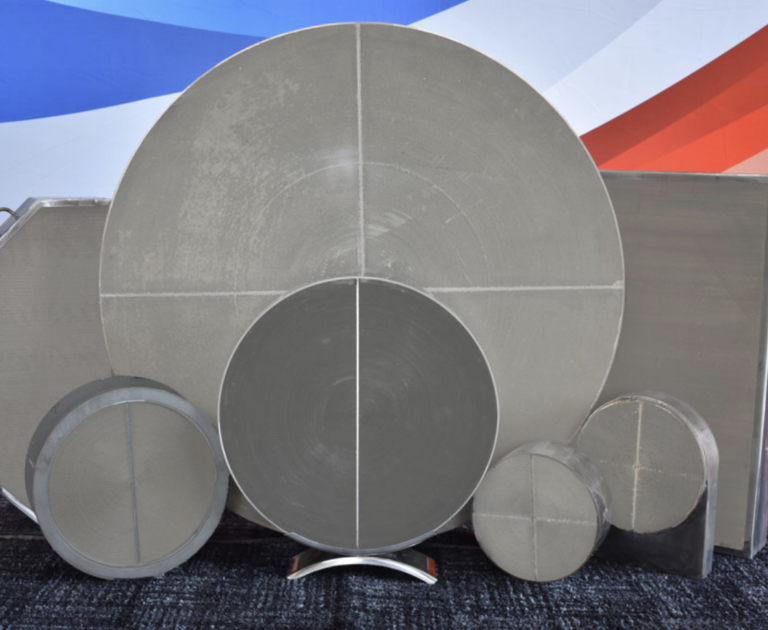
Titan Catalyst meets today’s demanding regulatory environment, manufacturing the industry’s highest-quality emissions control catalysts. You can count on Titan Catalyst for consistently superior CO, VOC, and NOx abatement catalysts and engineered systems.
Key capabilities and products:
- Oxidation catalysts for natural gas reciprocating engines
- Three-way catalysts for lean-burn and stoichiometric natural gas engines
- High-temperature catalyst formulations for continuous-duty compression applications
- Aftermarket catalyst combo replacement for EICS systems. Allowing you to operate a removable pill-style catalyst
- All new catalysts come pre-taped with the thermal gasket – saving time and allowing you to swap the catalyst quickly
- Manufactured in Texas with extremely quick lead times on most standard sizes
- High strength, stainless steel, alumina-metallic catalyst substrate
Engineering note: Specify engine make, model, and starting air pressure (typical range 90–150 PSI) when ordering. TDI offers multiple torque output configurations — confirm with your package integrator if uncertain.
Johnson Matthey
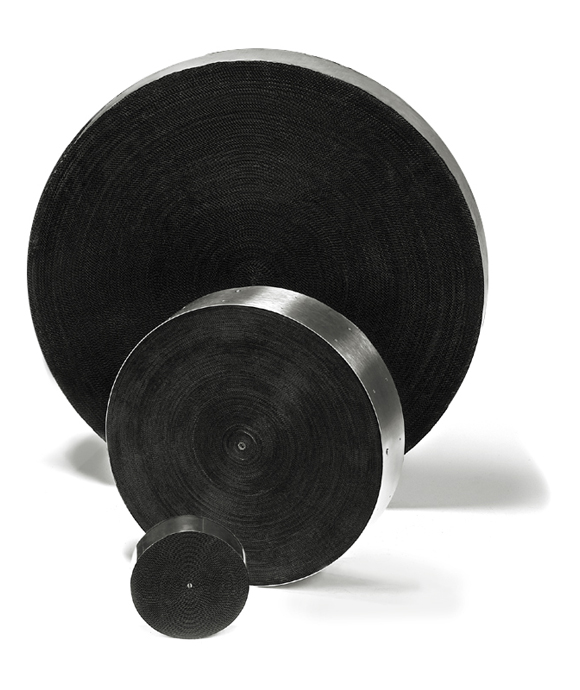
Johnson Matthey is a global leader in catalysis and emissions control technology. Their natural gas engine catalyst products are specified on compression packages across North America and internationally for their performance, durability, and regulatory acceptance.
Key capabilities and products:
- Oxidation catalysts for natural gas reciprocating engines
- Three-way catalysts for lean-burn and stoichiometric natural gas engines
- High-temperature catalyst formulations for continuous-duty compression applications
- Catalyst replacement elements for existing Johnson Matthey housings
- Engineering support on catalyst selection for specific regulatory requirements
Engineering note: Catalyst selection depends on engine type (lean-burn vs. stoichiometric), exhaust temperature, fuel composition, and the specific pollutants being regulated (NOx, CO, VOC, or combined). Provide your engine make, model, and applicable permit or regulatory standard when inquiring.
Notes
- Catalyst sizing is engine-specific — exhaust flow rate, temperature, and target pollutant determine the correct catalyst formulation and housing size
- Johnson Matthey offers replacement catalyst elements — confirm compatibility with existing housings before ordering
- Emissions systems are typically built-to-order — lead time varies by engine platform and catalyst configuration
- Send your part number or technical requirements for same-day quotes.
- Catalyst replacement elements available separately from housings — often significant cost savings over full system replacement
Frequently Asked Questions
The primary federal standards are EPA 40 CFR Part 60 Subpart JJJJ (for spark-ignited stationary engines) and various state-level rules that may be more stringent — SCAQMD in California and TCEQ in Texas being notable examples. Your specific obligations depend on engine horsepower, installation date, location, and permit conditions. RES Energy Solutions can help identify the right catalyst system for your regulatory requirement — provide your permit number or applicable standard and engine details.

In most cases, yes. Johnson Matthey offers replacement catalyst elements (substrates) designed to fit existing catalyst housings. This is typically the most cost-effective approach at scheduled replacement intervals. Confirm housing make, model, and dimensions when ordering replacement elements.
The industry standard for cleaning and flipping a catalyst is every 90 days. This maintenance will extend catalyst life and help maintain emissions compliance.